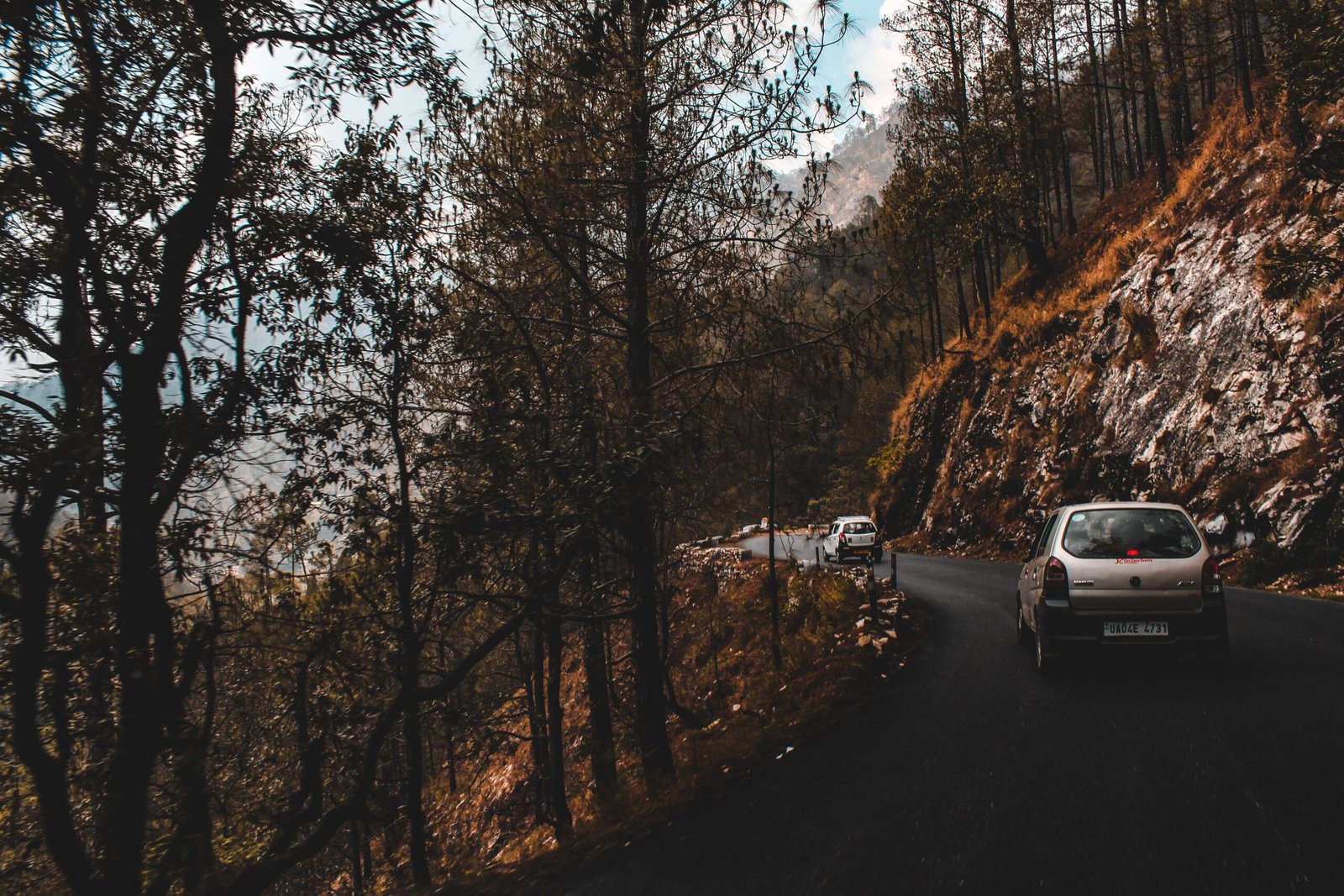
A significant number of Kashmir travellers do not start their journey in Srinagar at all. They start in Katra, having visited or planning to visit the Vaishno Devi shrine, and the Katra to Srinagar taxi fare becomes the connecting piece between two very different parts of a single trip. This guide is written specifically for that traveller, covering what the drive involves, how to price it, and how to sequence a pilgrimage and a Kashmir holiday without either one suffering.
Why Travellers Combine These Two Legs
Katra sits at the base of the Trikuta hills, the starting point for the trek or pony ride to the Vaishno Devi shrine, and is served by its own railway station, making it a natural first stop for many pilgrims and families travelling from across India. Continuing north to Srinagar afterwards turns a pilgrimage trip into a combined religious and leisure journey.
The Basic Numbers
Distance: roughly 260 kilometres Typical drive time: 7 to 9 hours depending on highway conditions, tunnel traffic and weather Route: joining the main Jammu-Srinagar National Highway shortly after Katra, then following the same corridor through Udhampur, Patnitop and Banihal
This is functionally the same highway used by travellers arriving via Jammu, joined slightly further along, which means the drive time and considerations are very close to the Jammu route, with the Katra starting point adding a modest amount of additional distance and time to reach the highway junction.
What Should Come Before This Drive: The Shrine Visit Itself
Before discussing the taxi fare, it is worth being clear about sequencing, since this affects how you should plan your Katra to Srinagar day.
- The Vaishno Devi trek or pony ride, plus darshan time, typically takes the better part of a full day
- Most travellers rest in Katra the night after the shrine visit rather than attempting the Srinagar drive the same day
- Planning the Katra to Srinagar leg for the morning after your shrine visit, rather than the same evening, generally produces a far more comfortable trip
Tell us your shrine visit dates, and we will plan the connecting drive accordingly.
Building the Fare
Vehicle category
- A sedan works for two travellers with light luggage, though the sustained highway distance makes an SUV noticeably more comfortable
- An SUV is the stronger recommendation given the length of this drive and the hill sections through Patnitop and Banihal
- Groups travelling together from a shrine visit, often larger family groups, may need a tempo traveller
Distance and terrain
Similar to the Jammu route, pricing here is built primarily on distance and drive time rather than a fixed day rate, since this is a long highway journey rather than a short valley hop. The terrain shifts from the approach roads near Katra to genuine hill driving through Patnitop and Banihal before descending into the Kashmir valley near Qazigund.
One-way transfer
This journey is almost always booked as a one-way drop rather than a return, since a same-day round trip covering over 500 kilometres is neither practical nor something most operators would recommend.
Ask us for a one-way Katra to Srinagar fare by vehicle category.
What Is Typically Included and Excluded
Usually included: the vehicle, driver and fuel for the direct route.
Usually excluded:
- Tolls along the national highway
- Parking, where relevant
- Driver allowance, particularly if the journey is broken into two days
- Any stop or detour beyond the direct route
Confirm these as separate line items before booking, since a lower headline fare sometimes simply omits them rather than genuinely offering a better deal.
Should You Break This Journey Too?
As with the Jammu route, breaking a 7 to 9 hour drive into two comfortable days is worth serious consideration, particularly given that most Katra travellers have already had a physically demanding day at the shrine.
The case for breaking the journey
- Combines a tiring shrine visit with a long highway drive only if you push straight through, which many families find excessive
- A Patnitop overnight, roughly midway along the route, splits the drive into two manageable days
- Particularly worth considering for families with children or elderly members who have just completed the shrine trek
The case for the direct route
- Solo travellers or younger groups without shrine trek fatigue may find the direct run entirely manageable
- Saves a day of the overall trip, which matters if your Kashmir time is limited
Tell us your group’s energy levels after the shrine visit, and we will advise on timing.
Weather and Seasonal Considerations
The highway generally remains operational through winter, though conditions on the hill sections can add meaningful time to the journey.
- Winter mornings near the plains can bring fog
- Snow can affect the higher stretches near Banihal
- Summer monsoon months can bring landslide-related delays on certain stretches
- Building in a buffer beyond the typical 7 to 9 hour window is sensible in any season other than the clearest summer conditions
Arriving in Srinagar After This Drive
Given the length of this combined journey, from shrine visit through the highway drive, most travellers arrive in Srinagar too tired for same evening sightseeing. Planning your first Kashmir activities for the following morning, rather than the arrival evening, generally produces a much better start to the valley portion of your trip.
Once in Srinagar, the standard Kashmir day trips follow their usual structure. Routes to Gulmarg, Pahalgam and Sonamarg all involve local taxi union changeovers at fixed points, explained fully in our guide on choosing the right cab across Srinagar, Gulmarg, Pahalgam and Sonmarg.
Booking Both Legs Together
There is a genuine practical benefit to arranging the Katra to Srinagar transfer with the same operator who will handle your in-valley Kashmir vehicle. It avoids a driver handover on the evening you arrive, tired, in an unfamiliar city, and it means your Kashmir itinerary, whether a shorter plan like the 3 nights and 4 days Kashmir tour or something longer, starts from a confirmed and coordinated arrival.
Kashmir Car Rental Tariff arranges the Katra to Srinagar highway leg alongside in-valley Kashmir bookings.
A Simple Checklist for Travellers Combining Both Trips
- Plan the shrine visit and the Srinagar drive as separate days, not one combined day
- Rest in Katra the night after darshan before continuing north
- Confirm one-way pricing and ask about tolls and driver allowance separately
- Consider breaking the highway journey at Patnitop, especially for families
- Book an SUV given the length of the drive and hill terrain
- Plan Kashmir sightseeing for the morning after arrival, not the evening you land
Send us your Katra departure date for a connecting Srinagar fare quote. Getting the Katra to Srinagar taxi fare right is really about getting the sequencing right first, resting properly after the shrine visit, then treating the highway drive as its own full day, so the Kashmir portion of your trip starts fresh rather than as an afterthought to an already long journey.
Frequently Asked Questions
How far is Katra from Srinagar?
Roughly 260 kilometres, typically a 7 to 9 hour drive depending on highway and weather conditions.
Should I travel to Srinagar the same day as my shrine visit?
Generally not recommended. Most travellers rest a night in Katra before continuing.
Is this route similar to the Jammu to Srinagar drive?
Yes, they join the same highway corridor, with the Katra route adding a modest amount of extra distance to reach it.
Does the fare include tolls?
Usually not. Confirm tolls and driver allowance as separate items at booking.
Should I break this journey into two days?
Worth considering, particularly for families or groups tired from the shrine trek. A Patnitop overnight works well.
Can I sightsee in Srinagar the evening I arrive?
Not advisable after this combined journey. Plan your first Kashmir activities for the following morning.